






Health Tips & Wellness Blog – Prinz Klinik
Painful Periods: When Is It Not Normal? Causes, Warning Signs & When to See a Doctor
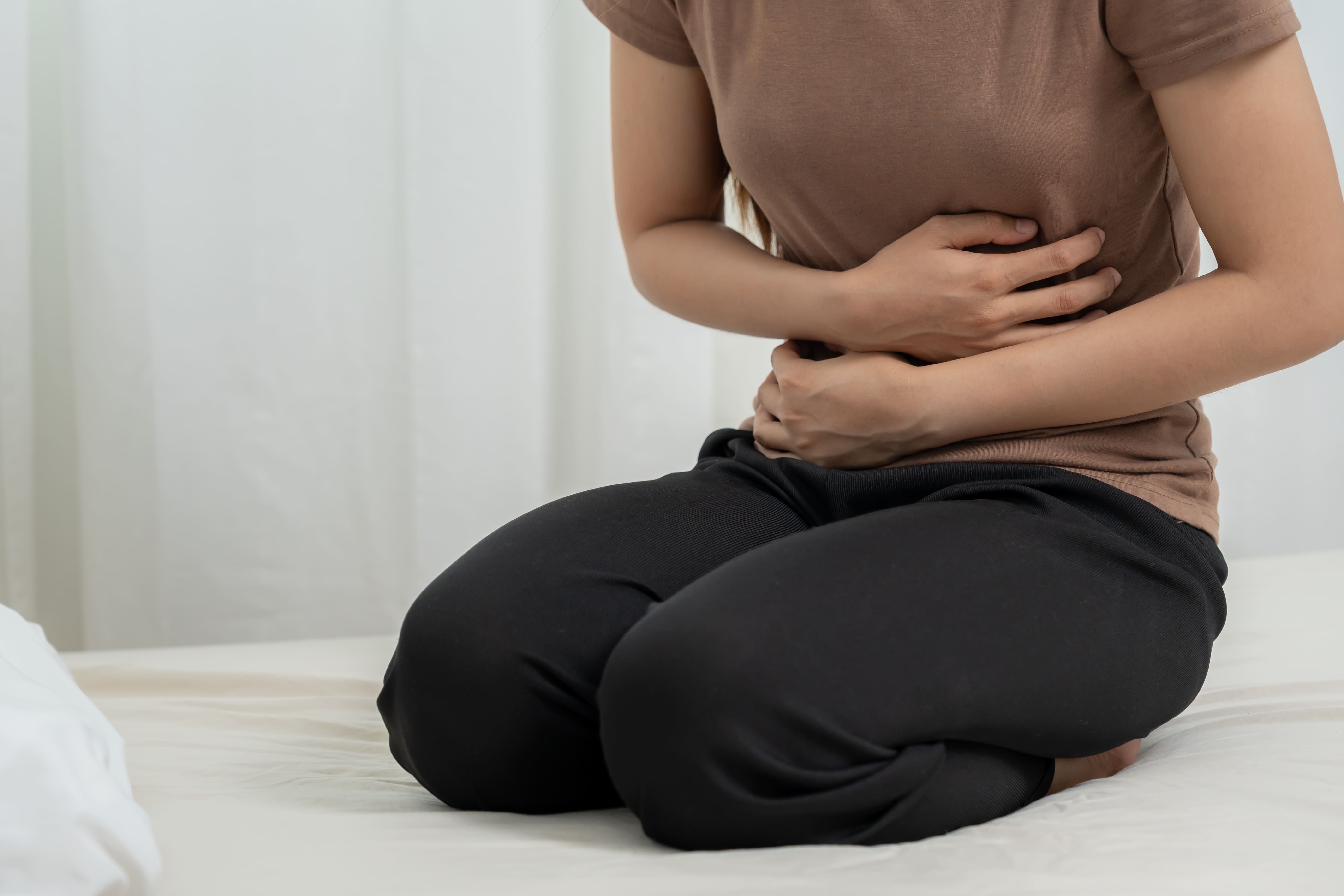
Painful Periods: When Is It Not Normal?
“Everyone tells me period pain is normal. But what if the pain is so bad that I can't get out of bed?”
Menstrual cramps are common. Many women experience some degree of discomfort before or during their period.
But there is an important difference between mild, manageable menstrual cramps and pain that is severe enough to interfere with your daily life.
If you regularly need to miss work or school, cannot sleep, experience severe pelvic pain, or find that your period pain is becoming worse over time, it may be time to look beyond “just period pain.”
Severe menstrual pain can sometimes be associated with an underlying medical condition that requires evaluation and treatment.
What Causes Period Pain?
Period pain, medically known as dysmenorrhea, is commonly caused by contractions of the uterus during menstruation.
The uterus contracts to help shed its lining. These contractions are influenced by substances called prostaglandins.
Higher levels of prostaglandins are associated with stronger uterine contractions and can contribute to menstrual cramps.
There are two main types of dysmenorrhea:
Primary Dysmenorrhea
This refers to menstrual pain that is not caused by another underlying pelvic condition.
It often begins during adolescence and may improve with age or after certain life changes.
Secondary Dysmenorrhea
This occurs when period pain is caused by an underlying medical condition.
Some possible causes include:
- Endometriosis
- Adenomyosis
- Uterine fibroids
- Pelvic inflammatory disease
- Certain ovarian conditions
This type of period pain may develop later in life or become progressively worse.
When Is Period Pain Considered Abnormal?
Period pain may need medical assessment if:
1. The pain is severe
If your period pain is so intense that you cannot perform normal daily activities, it should not simply be dismissed as “normal.”
For example, if you regularly:
- Miss work or school
- Stay in bed
- Cancel social activities
- Have difficulty concentrating
- Cannot sleep because of pain
consider speaking with a healthcare professional.
2. Your period pain is getting worse
A change in your usual menstrual pattern can be important.
If your cramps have gradually become more painful over several months or years, an underlying condition may need to be considered.
3. Painkillers no longer provide adequate relief
Occasional mild discomfort may respond to simple pain relief.
However, if your usual medication no longer controls the pain, or you repeatedly need stronger medication to function during your period, medical evaluation may be appropriate.
4. You experience pelvic pain outside your period
Pain that occurs between periods, during ovulation, or throughout the month may have causes other than ordinary menstrual cramps.
Persistent pelvic pain should be assessed, especially when accompanied by other symptoms.
5. You experience pain during sexual intercourse
Pain during or after sexual intercourse can have several possible causes.
If this happens repeatedly, it is worth discussing with a doctor rather than simply assuming it is part of menstruation.
Conditions That Can Cause Severe Period Pain
Endometriosis
Endometriosis occurs when tissue similar to the lining of the uterus grows outside the uterus.
It may cause:
- Severe period pain
- Pelvic pain
- Pain during sexual intercourse
- Pain during bowel movements or urination, particularly around menstruation
- Difficulty becoming pregnant in some women
The severity of pain does not always reflect the extent of the condition, so persistent symptoms should be evaluated.
Adenomyosis
Adenomyosis occurs when tissue similar to the uterine lining grows into the muscular wall of the uterus.
Possible symptoms include:
- Painful periods
- Heavy menstrual bleeding
- Pelvic pressure or discomfort
- An enlarged or tender uterus
Adenomyosis is more commonly diagnosed in adults and may become more noticeable over time.
Uterine Fibroids
Fibroids are non-cancerous growths that develop in or around the uterus.
Depending on their size and location, they may cause:
- Heavy periods
- Painful periods
- Pelvic pressure
- Frequent urination
- Lower back discomfort
Not all fibroids cause symptoms.
Pelvic Inflammatory Disease (PID)
Pelvic inflammatory disease is an infection affecting the female reproductive organs.
It can cause:
- Lower abdominal or pelvic pain
- Abnormal vaginal discharge
- Pain during sexual intercourse
- Fever
- Irregular bleeding
Prompt medical assessment is important because untreated PID can lead to complications.
What Other Symptoms Should You Look Out For?
Period pain deserves more attention when it occurs together with:
- Very heavy menstrual bleeding
- Bleeding between periods
- Pain during sexual intercourse
- Unusual vaginal discharge
- Persistent pelvic pain
- Pain when urinating
- Pain during bowel movements
- Difficulty becoming pregnant
- Unexplained fatigue
- Fever
Keeping track of your menstrual cycle and symptoms can help your doctor understand your condition.
How Is Severe Period Pain Diagnosed?
Your doctor may begin by asking about:
- When the pain started
- Where the pain occurs
- How severe it is
- How long it lasts
- Your menstrual cycle
- Bleeding patterns
- Other symptoms
- Medical and family history
Depending on your symptoms, further assessment may include a physical examination, blood tests, ultrasound, or other investigations.
The appropriate tests depend on your individual situation.
How Is Painful Periods Treated?
Treatment depends on the underlying cause and severity of your symptoms.
Possible approaches include:
Lifestyle measures
- Regular physical activity
- Adequate sleep
- Heat therapy
- Stress management
- Maintaining a balanced diet
Medication
Doctors may recommend appropriate pain-relieving medication or hormonal treatment depending on the individual's condition.
Treatment of an underlying condition
If period pain is caused by endometriosis, fibroids, adenomyosis, or another condition, treatment will focus on managing the underlying problem.
Do not take medication repeatedly or at higher doses than recommended without medical advice.
Should You See a Doctor for Period Pain?
Consider speaking with a doctor if:
✔ Your period pain interferes with work, school, sleep, or daily activities
✔ Your pain is getting progressively worse
✔ You develop pelvic pain outside your period
✔ You have unusually heavy bleeding
✔ You experience pain during sexual intercourse
✔ You have difficulty becoming pregnant
✔ Your symptoms are affecting your quality of life
Your period should not regularly force you to put your life on hold.
Your Period Pain Is Worth Paying Attention To
Period pain is common, but suffering in silence should not be considered normal.
If your period pain repeatedly stops you from working, studying, sleeping, exercising, or enjoying your daily life, don't simply accept it as something you have to live with.
There may be an underlying cause that can be identified and managed.
At Prinz Klinik, our doctors provide women's health and gynecological consultations to help assess menstrual problems, pelvic pain, abnormal bleeding, and other women's health concerns. Depending on your symptoms, your doctor can recommend appropriate examinations or investigations.
Don't just endure the pain every month. Listen to your body, understand the cause, and seek medical advice when something doesn't feel right.