







Health Screening Info – Prinz Klinik Blog
What Does High hsCRP Mean? Understanding high-sensitivity C-reactive protein test results.
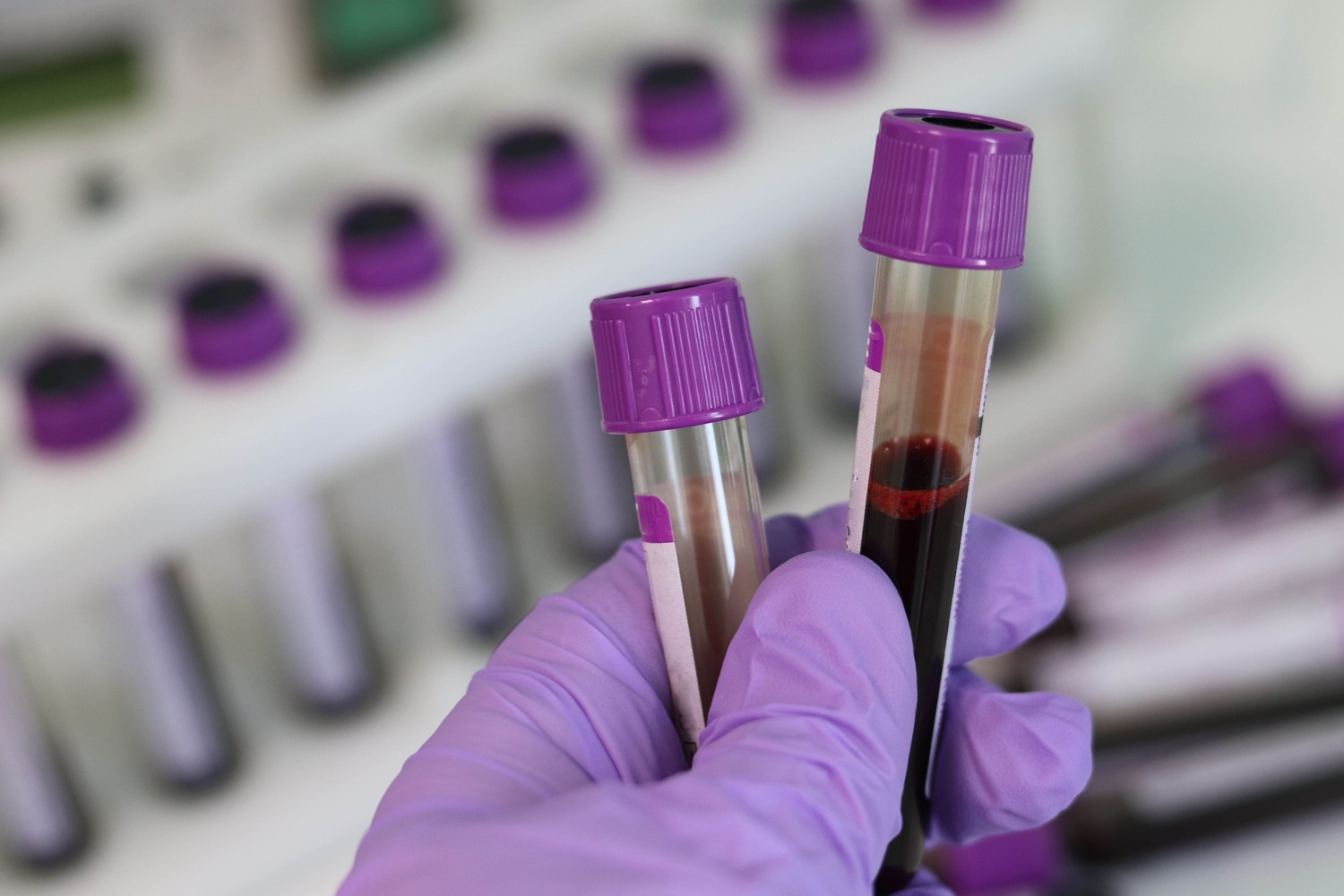
What Does High hsCRP Mean?
A blood test can reveal important information about your health—even when you feel perfectly well. One result you may come across during a health screening is hsCRP.
But what does it mean if your hsCRP is high?
High-sensitivity C-reactive protein (hsCRP) is a blood test that measures small amounts of C-reactive protein (CRP), a substance produced by the liver in response to inflammation.
An elevated hsCRP can occur when your body is experiencing inflammation. It may also provide additional information when assessing cardiovascular risk in certain individuals.
However, a high hsCRP result does not by itself diagnose heart disease or identify the cause of inflammation. The result needs to be considered alongside your symptoms, medical history and other health measurements.
What Is hsCRP?
C-reactive protein is produced by the liver when the body's immune system responds to inflammation.
A standard CRP test is generally used when doctors are looking for more noticeable inflammation, such as that associated with infection or other inflammatory conditions.
The hsCRP test is more sensitive and can detect lower concentrations of CRP in the blood. This makes it useful for identifying low-grade inflammation and, in selected individuals, providing additional information about cardiovascular risk.
In simple terms:
CRP tells us about inflammation, while hsCRP can detect smaller changes in CRP levels.
The test does not tell you exactly where inflammation is coming from.
What is considered a high hsCRP?
When used for cardiovascular risk assessment, an hsCRP level above 3 mg/L is generally considered a higher-risk category. However, the result can also be elevated because of infection or other inflammation.
Why Can hsCRP Be High?
There are many possible reasons for an elevated hsCRP. Some are temporary, while others may reflect longer-term health or lifestyle factors.
Recent Infection
A cold, flu, bacterial infection or other illness can stimulate an inflammatory response and raise CRP levels.
Injury or Tissue Damage
The body naturally produces inflammation following an injury, surgery or other tissue damage. This can cause a temporary increase in CRP.
Excess Body Fat
Higher amounts of body fat, particularly visceral fat around the abdomen, are associated with low-grade inflammation and may contribute to elevated hsCRP.
Smoking
Smoking can promote inflammation and has been associated with higher CRP levels.
Chronic Inflammatory Conditions
Certain inflammatory and autoimmune conditions may cause CRP to remain elevated.
Other Health and Lifestyle Factors
Physical inactivity, poor diet and other metabolic health problems may also be associated with chronic low-grade inflammation.
Because there are many possible causes, hsCRP should not be interpreted without considering the bigger health picture.
What Does hsCRP Have to Do With Heart Health?
Inflammation is one of several processes involved in cardiovascular disease.
Higher hsCRP levels have been associated with an increased risk of cardiovascular events in some populations. For this reason, hsCRP may sometimes be considered when evaluating cardiovascular risk.
However, cardiovascular health depends on much more than one blood test.
Your overall risk may also be influenced by:
- Blood pressure
- LDL and HDL cholesterol
- Blood sugar
- Smoking
- Body weight
- Physical activity
- Age
- Family history
- Existing medical conditions
This means hsCRP is best viewed as one additional piece of information, rather than a test that can predict whether you will have a heart attack.
What Should You Do If Your hsCRP Is High?
If your health screening report shows an elevated hsCRP, the first step is to understand why it may be elevated.
Your doctor may review:
1. Recent health events
Were you recently sick, injured or recovering from an infection?
2. Existing health conditions
Do you have conditions that may cause inflammation?
3. Cardiovascular risk factors
How are your blood pressure, cholesterol, blood sugar and weight?
4. Lifestyle factors
Do smoking, inactivity, diet or weight management need attention?
5. Whether further testing is appropriate
Depending on your circumstances, your doctor may recommend repeat testing or other investigations.
The goal is not simply to lower a number. It is to understand what the result means in the context of your overall health.
Can You Lower hsCRP Naturally?
Focus on habits that support overall cardiovascular and metabolic health.
Stay Physically Active
Regular physical activity can support heart health, weight management and metabolic function.
Maintain a Healthy Weight
Reducing excess body fat may help reduce chronic low-grade inflammation.
Eat a Balanced Diet
Prioritise vegetables, fruits, whole grains, lean protein and healthier sources of fats while limiting excessive intake of highly processed foods and added sugars.
Avoid Smoking
Stopping smoking is one of the most important steps for protecting cardiovascular health.
Get Enough Sleep
Consistently poor sleep can negatively affect metabolic and cardiovascular health.
Manage Other Health Conditions
Keeping blood pressure, cholesterol and blood sugar within healthy ranges is an important part of reducing overall cardiovascular risk.
Who Should Consider Discussing hsCRP With a Doctor?
hsCRP is not necessarily required for everyone.
It may be worth discussing with your doctor if you have cardiovascular risk factors or if your doctor wants additional information when assessing your overall cardiovascular risk.
This may include people with:
- High cholesterol
- High blood pressure
- Diabetes or elevated blood sugar
- Obesity
- Smoking history
- A family history of cardiovascular disease
- Other cardiovascular risk factors
Your doctor can determine whether hsCRP is appropriate based on your individual health profile.
Understand the Result, Not Just the Number
An abnormal blood test can be concerning, but one number rarely tells the whole story.
If your hsCRP is elevated, the important question is not simply "How do I lower it?" but "Why is it elevated, and what does it mean for my overall health?"
Looking at hsCRP together with your blood pressure, cholesterol, blood sugar, weight, lifestyle and medical history can provide a more complete picture of your cardiovascular health.
At Prinz Klinik, our health screening services help you monitor important health indicators and identify potential health risks early. If your screening results require further attention, our medical team can help explain the findings and advise whether additional assessment may be appropriate.
Your health report is more than a list of numbers. Understanding what they mean is the first step toward making informed decisions about your health.