





Health Screening Info – Prinz Klinik Blog
Why Fasting Is Required Before Blood Tests?
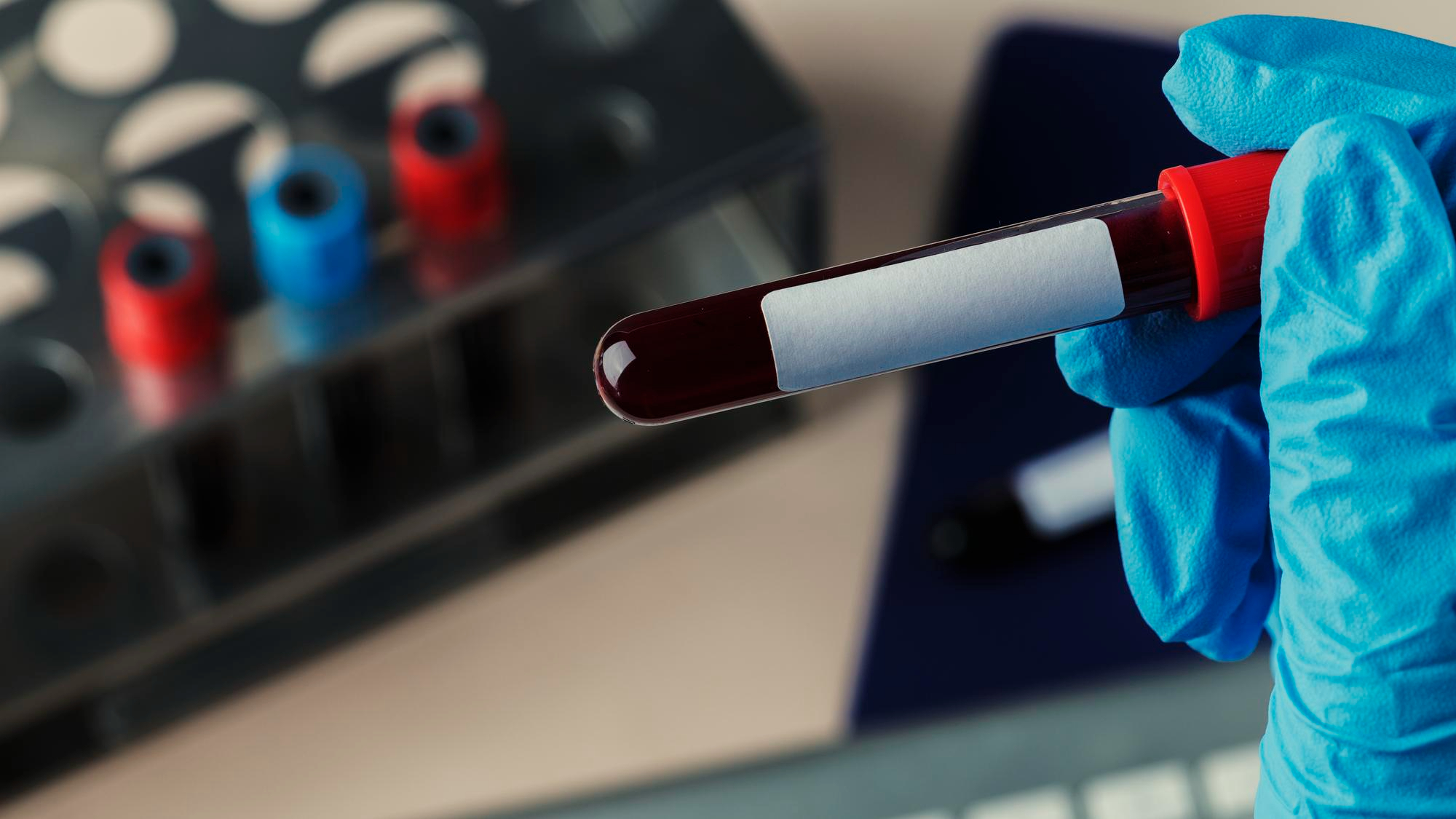
Health screenings especially certain blood tests often require fasting to ensure accurate and reliable results. Fasting creates a baseline by minimizing the influence of recent food intake, allowing healthcare professionals to obtain more precise measurements and detect potential health issues.
Blood Tests That Require Fasting:
- Blood Glucose Levels:
The blood glucose level test measures the amount of sugar (glucose) present in the blood. It is a crucial test for assessing the body's ability to regulate blood sugar levels, helping to diagnose conditions such as diabetes. Fasting is essential for this test as it provides a baseline measurement of blood glucose without the influence of recent food intake. Elevated blood glucose levels after meals can mask underlying issues like diabetes. - Cholesterol Level Test:
The cholesterol level test evaluates the levels of cholesterol and triglycerides in the blood. It is a key component in assessing cardiovascular health and the risk of heart disease. Fasting is necessary for an accurate measurement of cholesterol and triglyceride levels. Recent food intake, especially fats, can impact these levels, leading to skewed results. - Liver Function Test:
The liver function test assesses various markers in the blood to evaluate the health and functionality of the liver. It helps identify conditions affecting the liver, such as hepatitis or cirrhosis. Fasting is often recommended for liver function tests to obtain accurate results. Food intake can influence certain liver enzymes, and fasting helps establish a baseline for liver function. - Iron Blood Test:
The iron blood test measures the levels of iron in the blood and is crucial for identifying conditions related to iron deficiency, such as anemia. Fasting is essential for accurate results as iron is quickly absorbed from food into the bloodstream. Consuming food before the test can lead to inflated iron levels, potentially affecting the diagnosis.
How Long to Fast?
Typically, a fasting period of 8 to 12 hours is recommended. This may involve refraining from eating or drinking anything other than water during this time.
Things You Should Avoid During Fasting:
- Food and Beverages: Abstain from consuming any food, beverages, or snacks during the fasting period, as this could influence blood test results.
- Caffeine: While water is generally permitted, it's advisable to avoid caffeinated beverages, as they may affect some test results.
- Alcohol: Refrain from consuming alcoholic beverages, as alcohol can impact liver function tests.
- Chewing Gum: Even sugar-free gum can stimulate the digestive system, potentially affecting test results. It's best to avoid gum during fasting.
- Smoking: If possible, refrain from smoking during the fasting period, as it may influence certain cardiovascular and respiratory test results.