







Health Screening Info – Prinz Klinik Blog
Health Screening Kuala Lumpur | Preventive Health Screening Guide
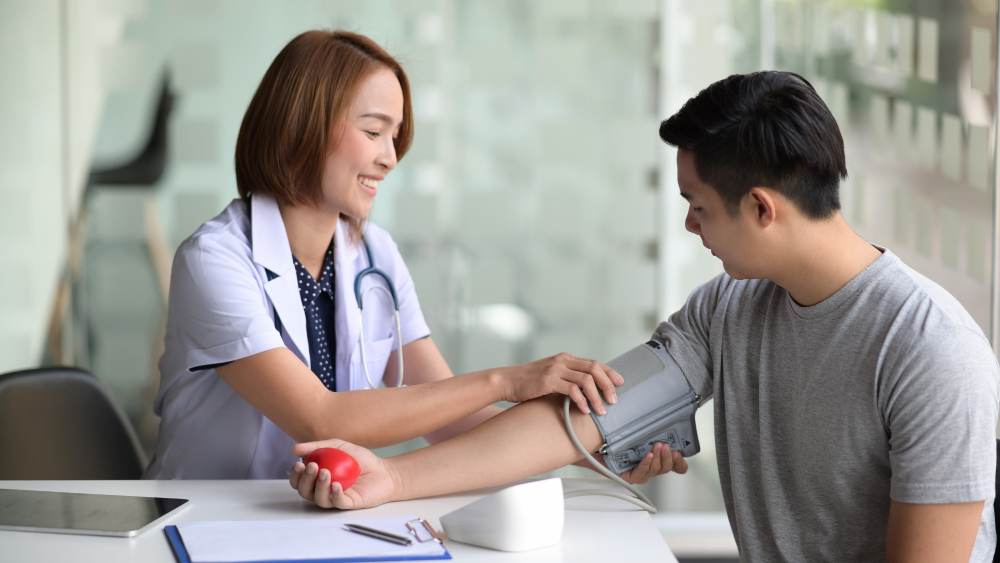
Health Screening Kuala Lumpur – Why Regular Health Checks Matter
Searching for health screening Kuala Lumpur has become increasingly common as more individuals take a proactive approach to their health. Rather than waiting for symptoms to appear, health screening allows early identification of potential health risks.
In Kuala Lumpur, modern lifestyles, work-related stress, and sedentary habits contribute to many health issues developing silently. Health screening helps detect these risks before they progress into serious medical conditions.
What Is Health Screening and Why Is It Important?
Health screening Kuala Lumpur refers to a structured medical assessment designed to evaluate overall health and identify early warning signs. It is not intended to diagnose illness but to provide insight into possible health concerns.
Regular health screening supports early intervention, enabling individuals to make informed lifestyle adjustments or seek further medical advice when necessary.
Who Should Consider Health Screening in Kuala Lumpur?
Health screening is suitable for individuals of all ages, particularly working adults aged 30 and above. Those with family history of chronic illness or high-stress lifestyles benefit significantly from regular health checks.
Many people choose health screening Kuala Lumpur as part of their annual health planning to better understand their physical condition and long-term health risks.

What Does a Typical Health Screening Include?
Health screening packages vary depending on individual needs. They commonly include general health assessments, blood tests, and targeted evaluations based on age and lifestyle factors.
The flexibility of health screening in Kuala Lumpur allows individuals to select appropriate assessments aligned with their personal health goals.
Health Screening as Part of Long-Term Health Management
Viewing health screening Kuala Lumpur as an ongoing process rather than a one-time check supports better health outcomes. Tracking results over time helps identify trends and guides preventive care strategies.
Incorporating health screening into regular health planning empowers individuals to take greater control over their well-being.